A sensible watering routine begins with a check, not a date on the calendar. Push a finger into the soil: if it feels damp at root depth, wait; if it feels dry down there, water slowly until the root zone is moist, then stop. That deep soak pulls roots downward, into soil that holds moisture longer, while a daily sprinkle keeps roots shallow and constantly thirsty.
Once it becomes habit, this routine saves time, because you water less often but with more purpose. It saves water too, which counts during a dry summer, under hosepipe or watering restrictions in parts of the UK and Australia, and on a metered supply anywhere. The sections below cover beds, containers, new plants and heatwaves, so you can shape the same idea to your own garden instead of copying somebody else's timetable.
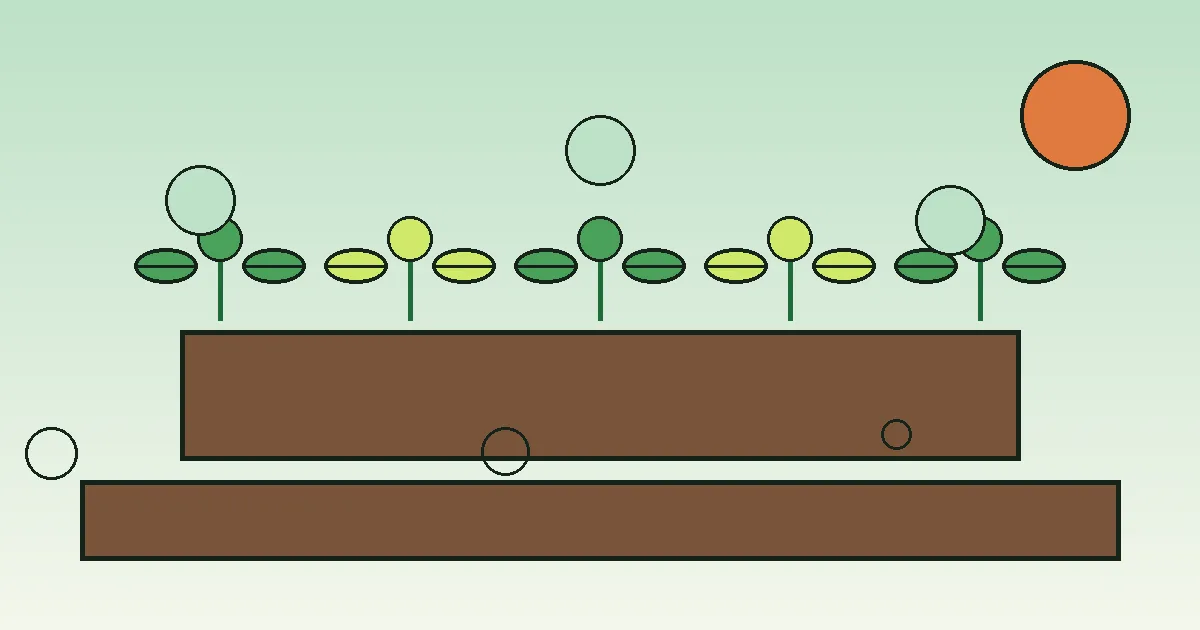
The Finger Test and the Root Zone
The surface of the soil lies to you. The top centimetre can look parched an hour after watering on a windy day, while the ground below is still nicely moist. Push a finger in to the second knuckle, or slide in a thin stick, and judge by what you feel at depth. For bigger shrubs and trees, test a little way out from the trunk, where the feeding roots actually are, rather than right against the stem.
Check again after a deep watering. You want damp soil right through the root zone — not a swamp on top and dust below. If water sheets off a dry, crusted surface, stop, give it a few minutes to soak in, and then water again more slowly.
Why Mornings Win, and What Leaves Have to Do With It
Morning is the best default for watering. Plants drink as the day warms, leaves dry before nightfall, and less water is lost to evaporation than at midday. When mornings are not possible, an evening water is still far better than leaving a thirsty plant dry — especially a new transplant or a container in a heatwave. Just aim for the soil rather than the foliage, so leaves do not sit wet overnight.
Watering at the base lowers that risk and keeps water off paths and fences as well.
Containers, New Plants and Heatwaves
Containers break the water-less-often rule. A small pot in the sun can dry out within a day, while a large bed may stay moist for a week. Check pots daily in hot weather, water until a little runs out of the base, and tip saucers out if plants would otherwise sit in water for days.
New plants need steadier water for their first few weeks, since their roots have not yet reached into the surrounding soil. Soak a new transplant thoroughly at planting, then check it every day or two until it starts growing again. In a heatwave, look after new plants, containers and leafy crops first, and accept that some older, established plants may wilt in the afternoon and recover by evening without any extra water.
Using Less Water Without Starving Plants
Mulch is the easiest water saver there is: it shades the soil, slows evaporation and keeps the root zone cooler. Deep watering saves water over time too, because less is lost from the surface and plants manage better between waterings. Collecting rainwater in a butt or barrel, where local rules allow it, gives you soft water for containers and seedlings, free of the treatment chemicals in tap water — though it should be kept covered so mosquitoes do not breed in it.
For the wider picture of soil and feeding, see Healthy Soil, Wise Watering and Careful Feeding: Your Garden's Groundwork.
Key takeaways
- Feel the soil at root depth before watering, not only at the surface.
- Water slowly and deeply so the whole root zone gets moist.
- Water in the morning, at the base of the plant, where you can.
- Check containers daily in hot weather; beds usually manage with less.
- Mulch and rainwater cut waste without stressing your plants.
Frequently asked questions
How can I tell I watered deeply enough?
Feel the soil at root depth after watering. It should be damp through the root zone, not only wet on top. If the lower soil is still dry, water again, more slowly.
Is watering in the evening bad for plants?
No — it beats leaving a thirsty plant dry. Water the soil rather than the leaves, and keep morning watering as your default when you have the choice.
Why do my containers dry out so quickly?
Pots hold little soil, warm up fast, and lose water through their sides as well as the top. Bigger pots, pots grouped together, mulch, and daily checks in summer all help.