You do not need a greenhouse to start seeds indoors. A bright windowsill, plain pots, and seed-starting mix are enough, sowing tender crops a few weeks ahead of your last expected frost. Tomatoes, peppers, and squash gain most from the head start, while peas and beans usually do just as well sown straight outside.
Sowing indoors feels like progress while the garden is still cold, yet it only pays off when seedlings get enough light and are hardened off before they go outside. Pale, stretched seedlings are a sign of too little light, not too little effort.
Which Crops Earn an Indoor Start
Not every seed needs pampering indoors. Heat-lovers with a long season — tomatoes, peppers, eggplant, and squash — repay an early start where the outdoor season is short. In the USA, your USDA zone and last frost date set the timing; in the UK and Canada, local frost dates do the same job.
Sow the rest directly where they will grow. Peas, beans, radishes, carrots, and lettuce dislike being moved, or germinate so quickly outside that indoor sowing adds work without benefit. Ask whether a crop hates cold soil or simply needs time: if it hates cold, start it inside; otherwise it may do better sown in place.
A Simple Windowsill Setup
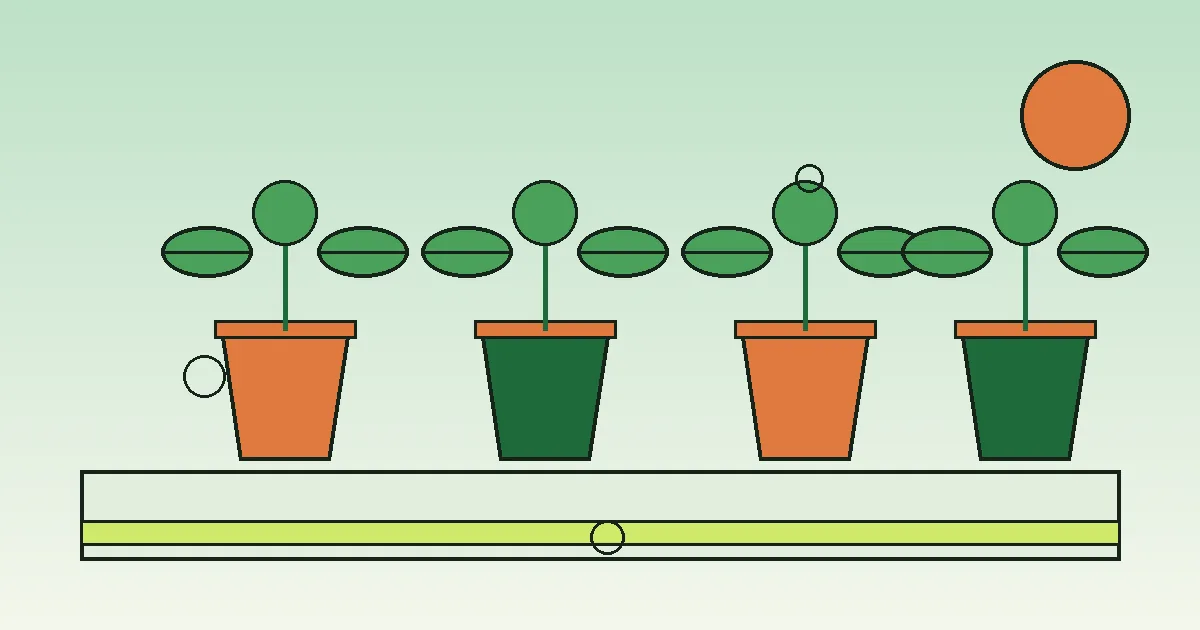
Start with clean pots or trays that have drainage holes, and fill them with seed-starting mix — heavy garden soil stays soggy and can carry weed seeds. Sow at the depth on the packet, usually about twice the seed's width, then water gently so nothing shifts. A clear lid keeps moisture in until germination; lift it off once seedlings appear so air can circulate.
Most windowsill attempts fail on light. The strongest light comes from a south-facing sill in the northern hemisphere — north-facing in Australia — yet even that can be weak in early spring. Seedlings leaning toward the glass, or growing tall and floppy, are asking for more light: a basic LED grow light on a timer is a sensible fix. Give pots a quarter-turn each day so growth stays even.
Watering Seedlings Without Drowning Them
Soggy mix kills more seedlings than thirst does. Stand pots in a shallow tray of water for ten minutes, then drain them fully — watering from below keeps the surface drier and the roots happy. Let the top dry a little between waterings while the mix underneath stays lightly damp.
Damping off is the other common killer: the stem thins and collapses at soil level, usually in cool, wet, still air. Fresh mix, good drainage, and airflow are the best defences. One or two losses are normal; a whole tray collapsing usually means too much water or too little air.
Hardening Off Before They Go Outside
Indoor seedlings have had a sheltered life, so moving them straight outside can scorch leaves or stall growth. Give them seven to ten days to adjust: start with an hour or two in sheltered shade, then lengthen their time in the sun a little each day. Bring them back in if frost threatens.
When planting-out day comes, pick a cloudy afternoon or early evening if you can, and water well once they are in. Keep an eye on the forecast for the first week — a cold snap can still check tender crops. Once settled, seedlings usually catch up quickly, and the indoor head start turns into earlier salads, earlier beans, and a longer season. For what to grow after those first crops finish, see Succession Planting for a Longer Harvest.
Key takeaways
- Start heat-loving, long-season crops inside; sow peas, beans, and root crops directly.
- Use fresh seed-starting mix, pots with drainage, and your brightest sill or a basic light.
- Water from below and let the surface dry a little between waterings.
- Give seedlings seven to ten days of gradual outdoor time before planting out.
Frequently asked questions
When should seeds be started indoors?
Sow tender crops a few weeks ahead of your last expected frost, using the packet's timing for your area. Too early and seedlings go leggy; too late and the head start disappears.
What makes seedlings tall and floppy?
Tall, pale seedlings are usually short of light, not water or feed. Move them to your brightest sill, or add a basic grow light, and turn the pots daily for even growth.
Is a greenhouse necessary for starting seeds?
No. Most home gardens do fine with a bright windowsill, clean pots, seed-starting mix, and steady watering. A greenhouse is a bonus, not a requirement for strong seedlings.